Beauty is having a moment.
We’re more curious than ever about what’s in our skincare, haircare, cosmetics, and personal care products. We’re reading labels, asking better questions, discovering new brands, and paying closer attention to how the products we use fit into our overall wellness.
For Black women and families, that conversation is especially important.
Beauty has always been about more than looking good. Hair, skin, and personal care are connected to culture, identity, confidence, self-expression, and the rituals we share across generations.
Curiosity is a powerful place to start
The answer doesn’t have to begin with fear. It can begin with curiosity.
That’s one of the most exciting shifts happening in the conversation around beauty safety. Consumers aren’t simply looking for a list of ingredients to avoid. They want to understand what they’re buying, why ingredients are used, and how to make choices that work for themselves and their families.
That kind of curiosity can start anywhere — a conversation between friends, a trip to the beauty supply store, a conversation between a parent and child, or a community workshop.
Recently, families in Inland Southern California had that opportunity through a hands-on workshop hosted by the University of California, Riverside’s KIND Lab. Nearly 40 residents representing 12 families came together to explore safer beauty choices, learn about ingredients, and connect beauty practices with broader questions about environmental health.
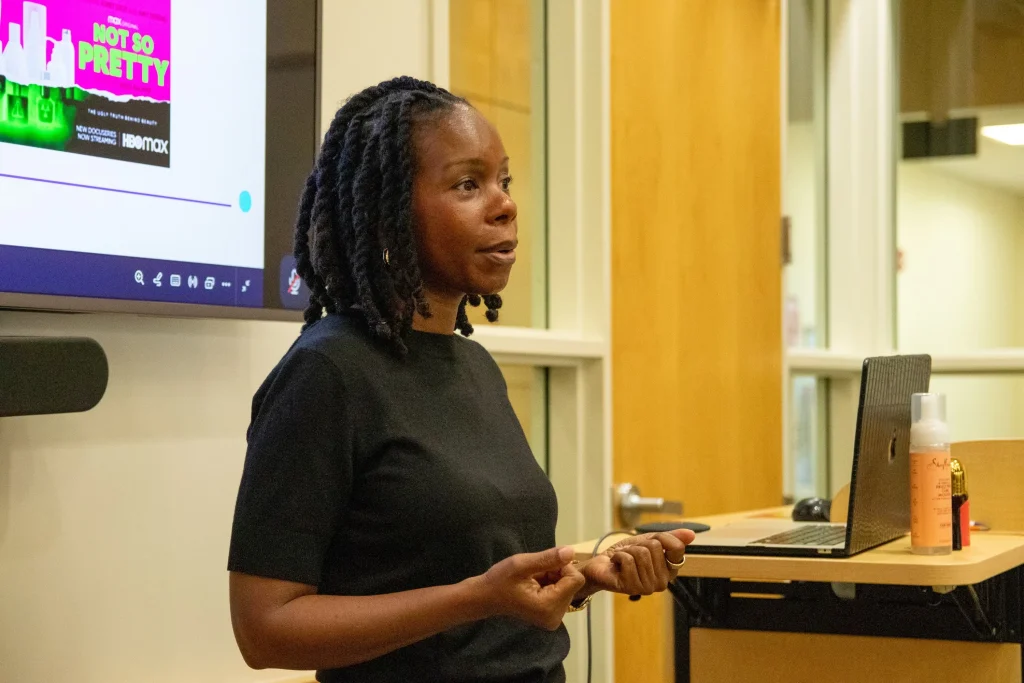
The workshop was part of KIND Lab’s community-engaged work and included hairstyling activities for young people and a hands-on opportunity for families to create their own hairspray using ingredients including aloe and essential oils.
It was a reminder that learning about safer beauty doesn’t have to be complicated — or boring. Sometimes it can be fun.
Beauty education belongs in everyday spaces
For too long, conversations about chemical exposure have often felt disconnected from the places where people actually make decisions.
The beauty aisle is one of those places. So are the kitchen table and schools with your peers. These are spaces where conversations about products, health, and self-care are already happening.
Bringing trusted information into those spaces makes the conversation more relevant and more useful.
That’s part of what makes community-centered education so powerful. Rather than simply telling people what they should or shouldn’t use, it creates space for people to ask questions, share experiences, and develop the confidence to make informed decisions for themselves.
Multicultural beauty deserves better information — and better choices
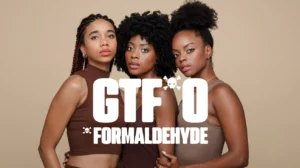
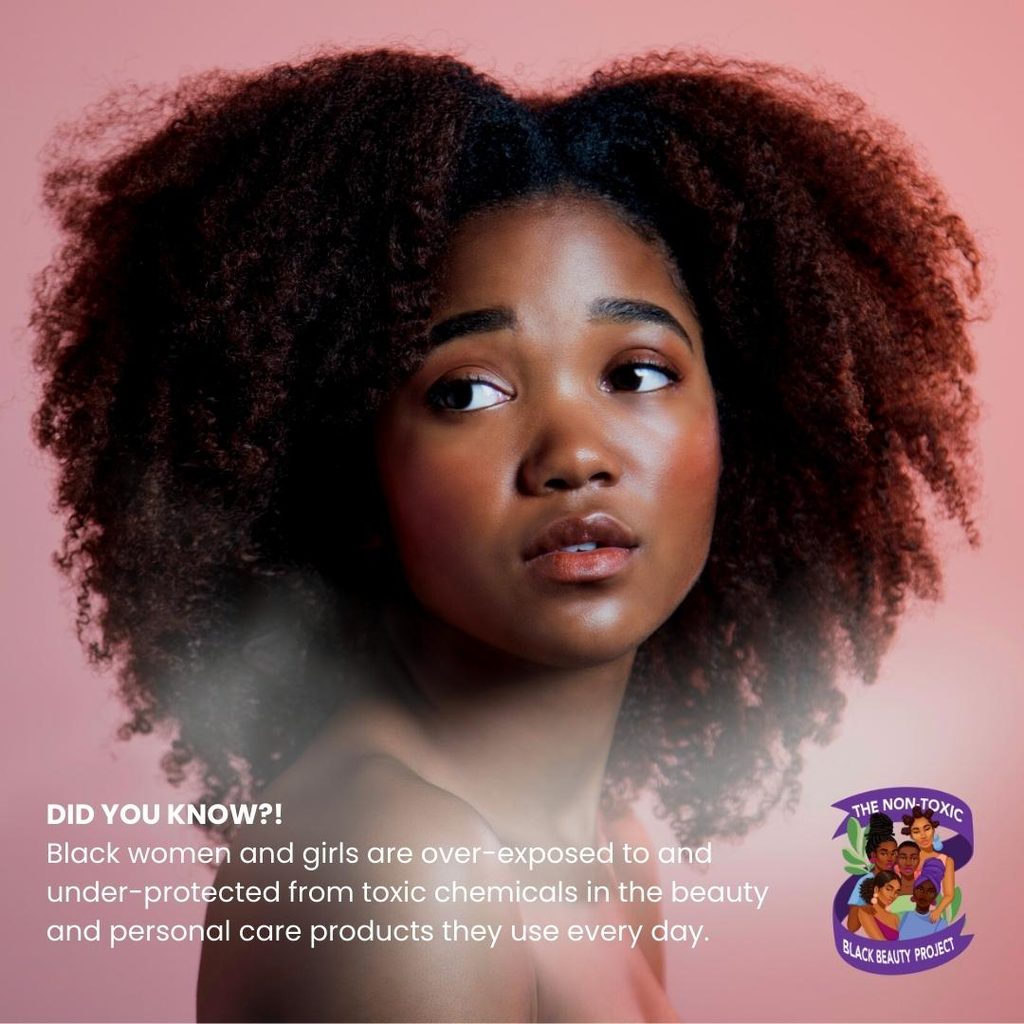
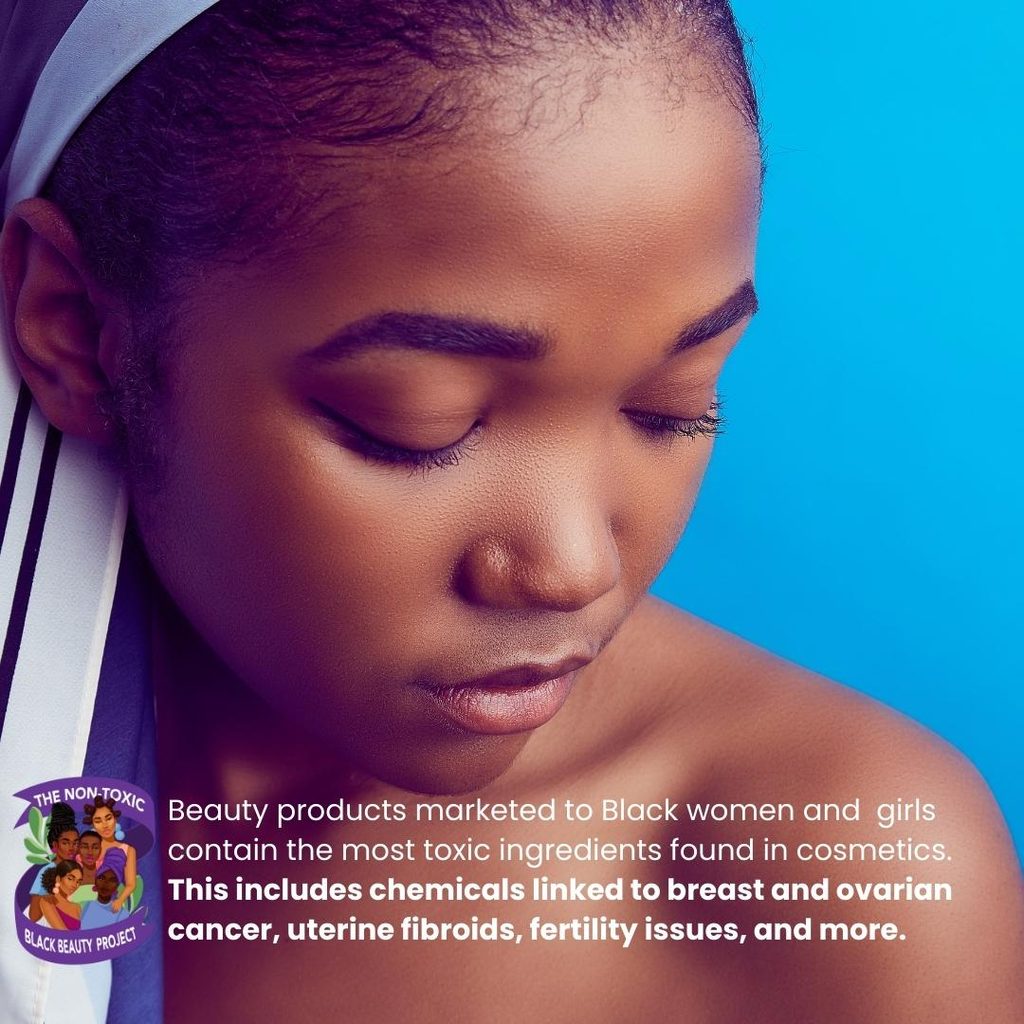
The Campaign for Safe Cosmetics’ Non-Toxic Black Beauty Project is rooted in that same idea.
Black women and girls deserve access to beauty products that support — not undermine — their health. They deserve transparency from brands, meaningful information about ingredients, and safer options.
And they deserve to participate fully in beauty culture without having to choose between the products they love and their health. It’s about making beauty better. A beauty culture where safety is part of the experience — not something consumers have to investigate on their own.
Start with one question
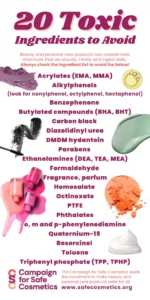
You don’t have to overhaul your entire beauty routine tomorrow. Start with one product. Pick up something you use regularly and look at the ingredient list.
Ask what the ingredients are doing. Look for information from trusted sources. And if something doesn’t make sense, don’t be afraid to ask why.
Because becoming a more informed beauty consumer isn’t about being perfect. It’s about having options. And it’s about recognizing that we have the right to know what we’re putting on our bodies.
The conversation happening in communities — from family living rooms to university workshops — is helping make that knowledge more accessible.
And that’s exciting.
Because the future of beauty isn’t just about what’s trending.
It’s about creating a beauty culture that is healthier, more transparent, and more inclusive for everyone.
Keep Exploring
The University of California, Riverside’s KIND Lab recently brought this conversation directly to families through a hands-on workshop focused on safer beauty choices and environmental health. Read the full story: KIND Lab helps families make safer beauty choices.
Learn more about the Campaign for Safe Cosmetics’ Non-Toxic Black Beauty Project and find resources to help you make more informed beauty choices.
Astrid Williams, DrPH
Manager, Non-Toxic Black Beauty Project